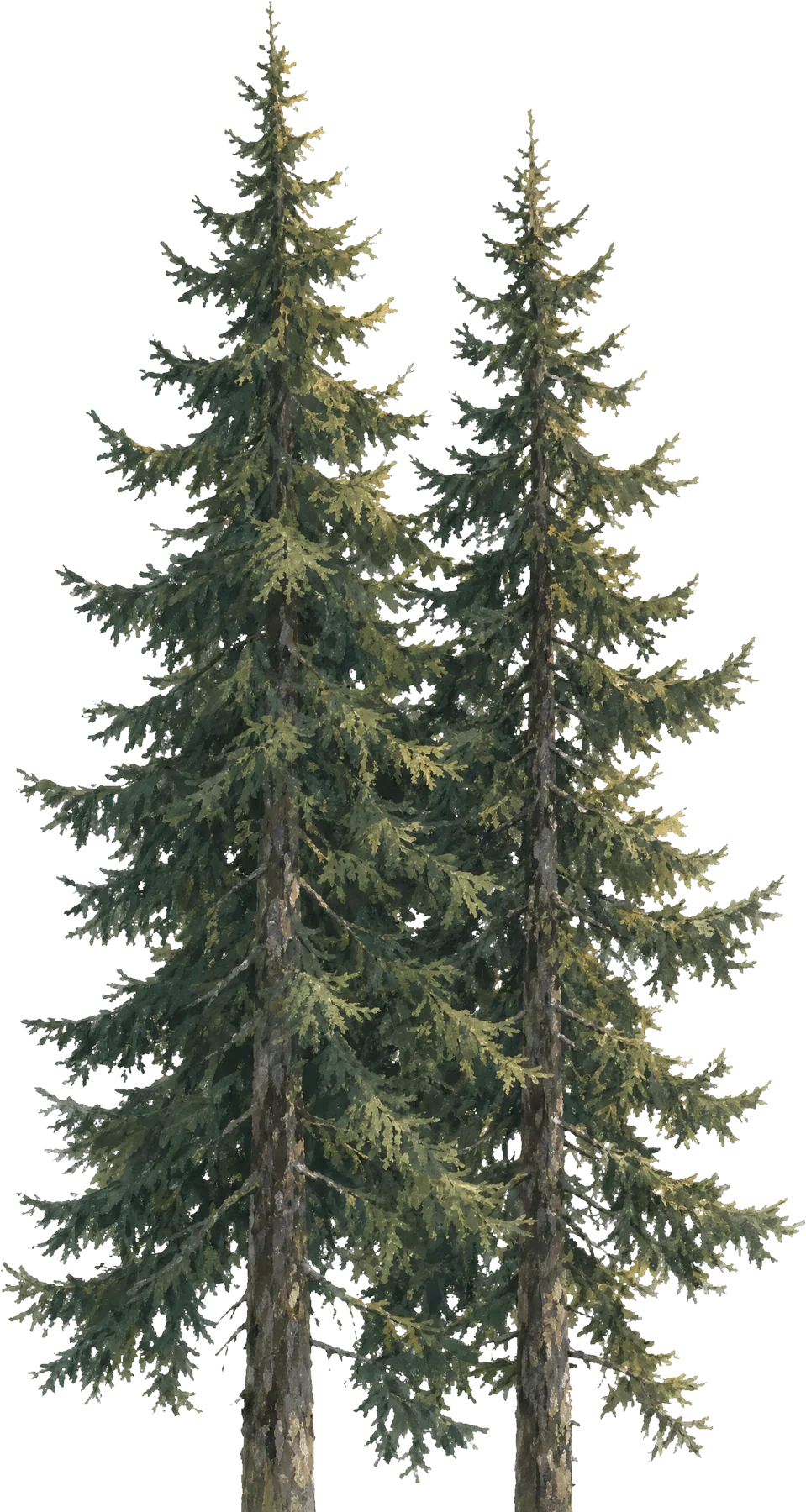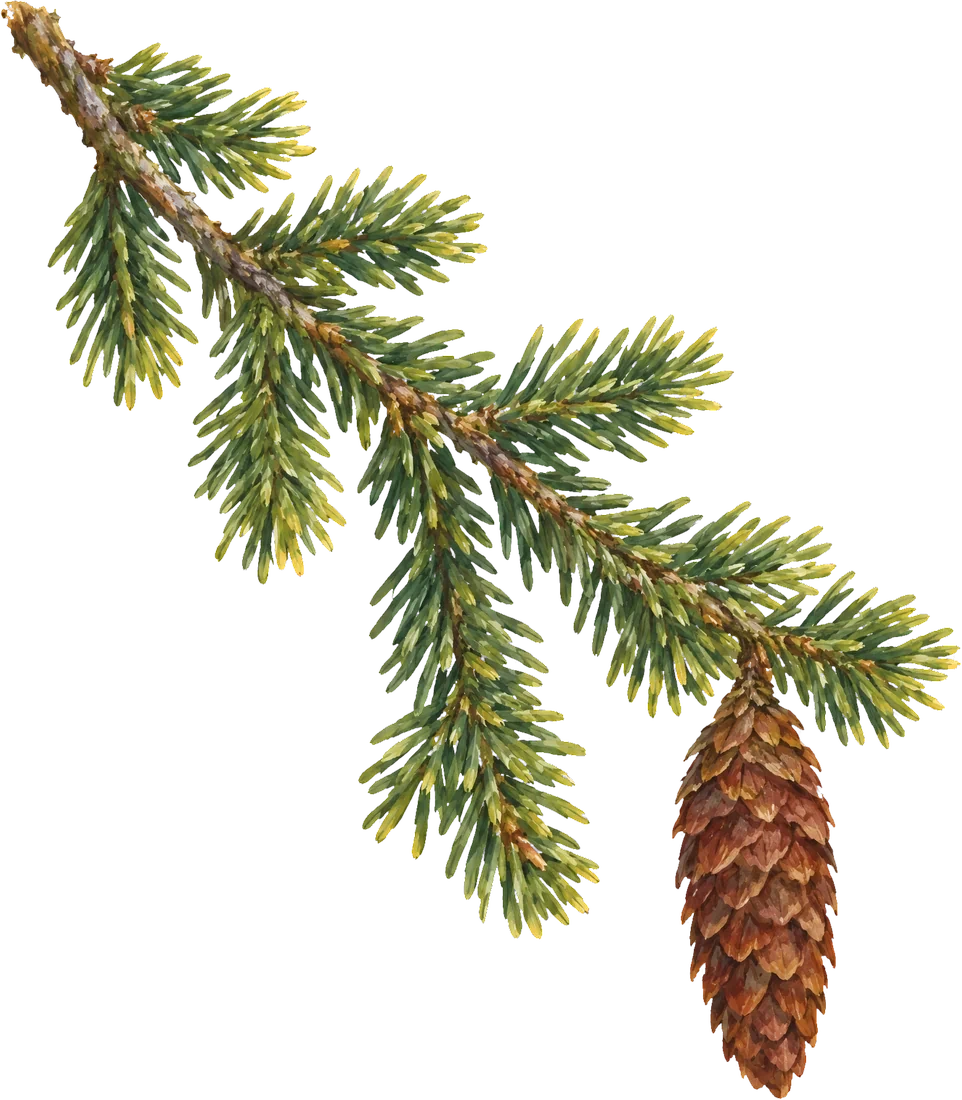
Picea rubens
Red spruce
The signature conifer of the Maritimes and Nova Scotia’s provincial tree. Slow-growing, shade-tolerant and long-lived.

 Contact
Forestry · Atlantic Canada
We work in the Acadian forest of New Brunswick and Nova Scotia — with a longer view of the land.
01 — Time
One ring for every year. Wide pale bands for good springs, thin dark ones for dry summers. Decisions made around a forest play out over decades — so that is the unit we plan in.
02 — How we work
We manage our forests from planting to harvest, and we make the choices that pay off over decades, not seasons.
We manage the whole cycle ourselves: planting, tending, thinning and harvest.
We don’t use herbicide spraying programs. That gives hardwoods room to come back, above all maple.
Hardwoods among the spruce and fir make a mixed forest that stands up better to a changing climate, and broadleaf stands slow the spread of fire. Their leaf litter builds up the humus layer, storing more carbon in the soil.
We carry out commercial thinnings with our own very light harvester. Its low weight protects the forest floor.
03 — Species
Picea rubens
The signature conifer of the Maritimes and Nova Scotia’s provincial tree. Slow-growing, shade-tolerant and long-lived.
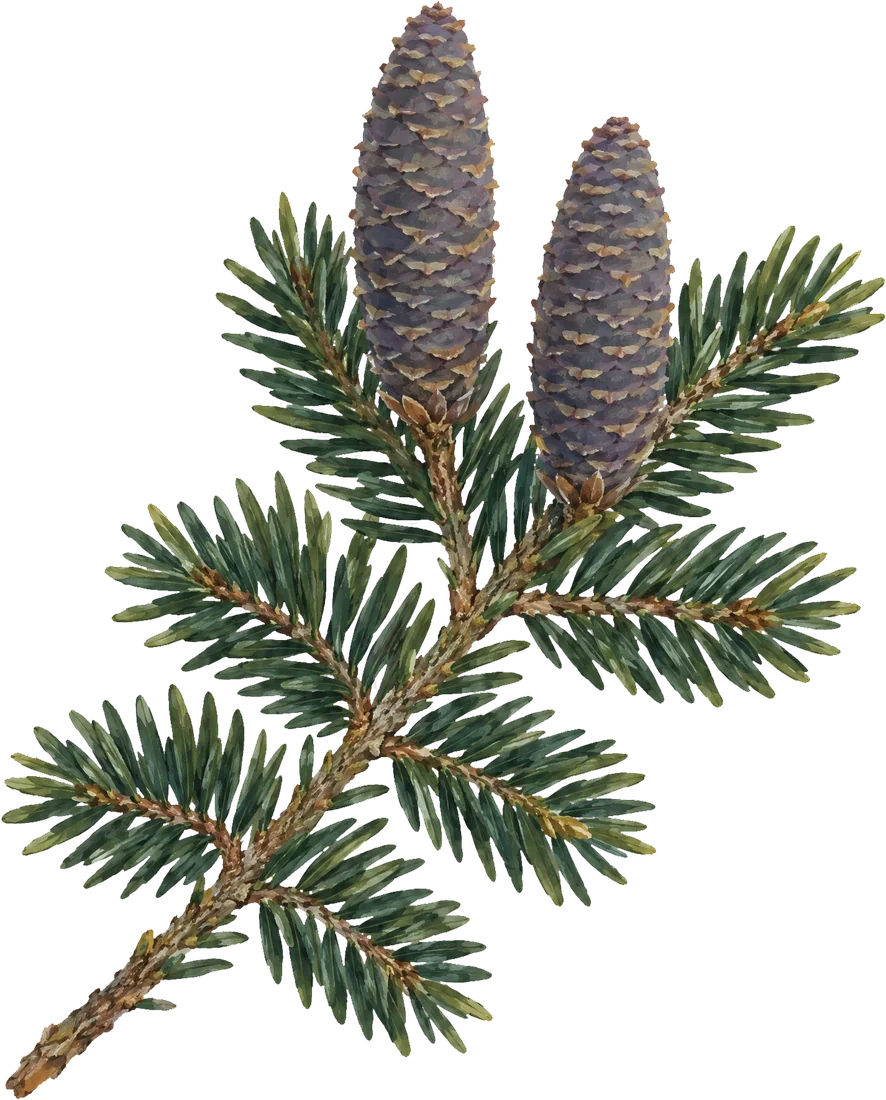
Abies balsamea
New Brunswick’s provincial tree. Its cones stand upright on the branch and break apart there in autumn.
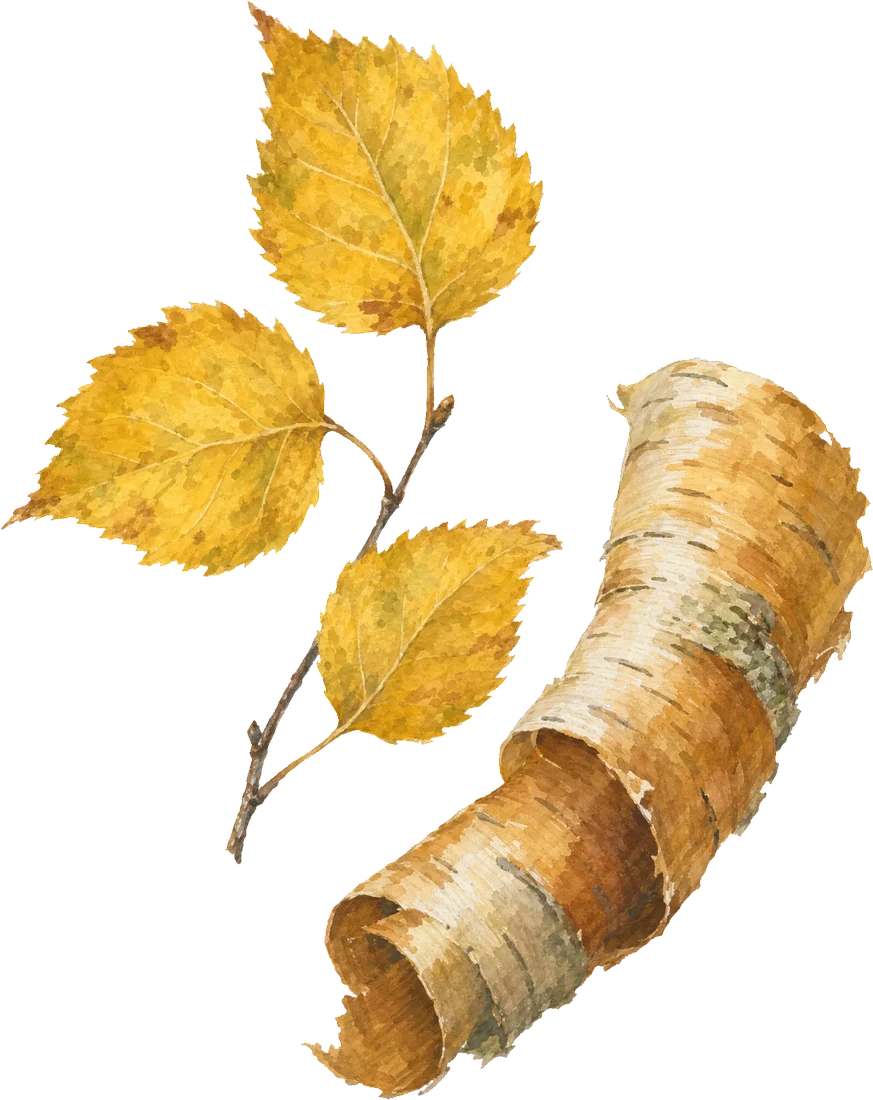
Betula alleghaniensis
The hardwood of the mix. Its bronze bark peels in thin, papery curls.
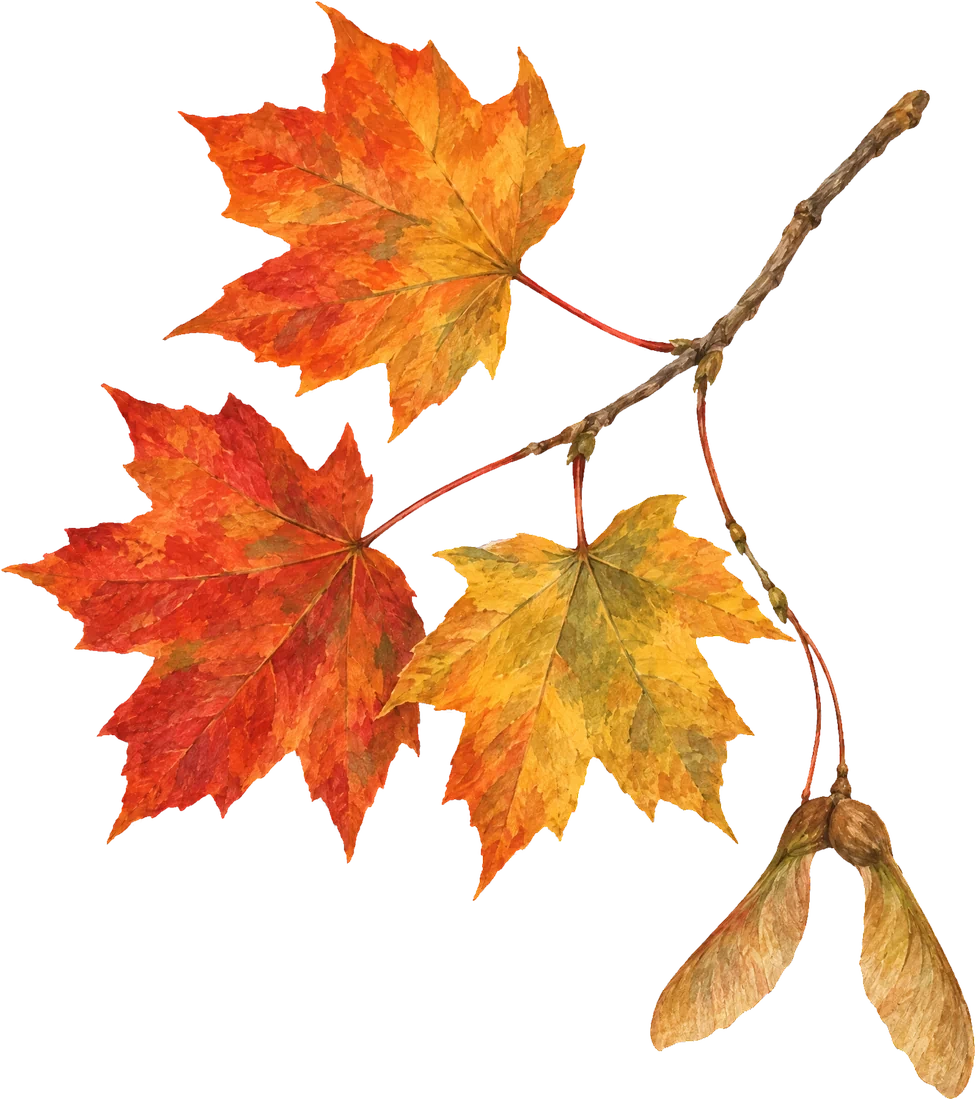
Acer saccharum
The tree behind maple syrup. It grows in the hardwood stands with yellow birch, and in autumn it turns the slopes orange and red.
Red spruce, balsam fir and yellow birch are the predominant species per Natural Resources Canada. Sugar maple belongs to the forest’s tolerant hardwood stands.
04 — From above
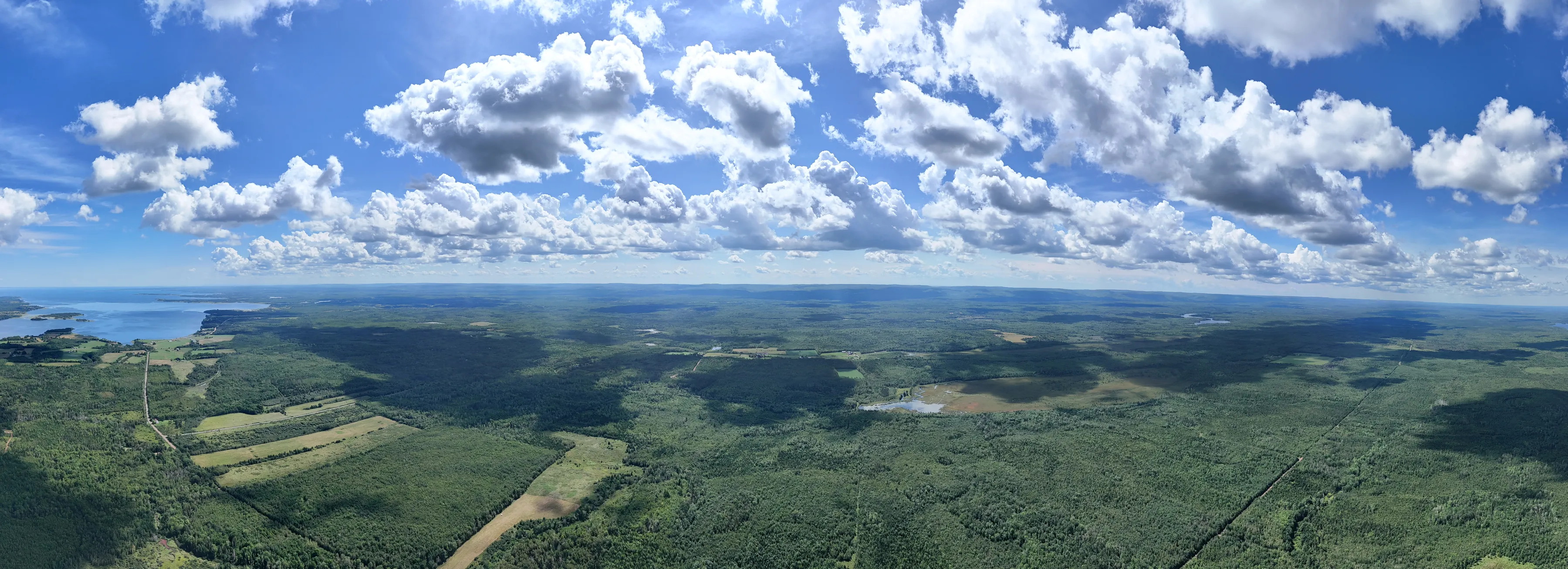
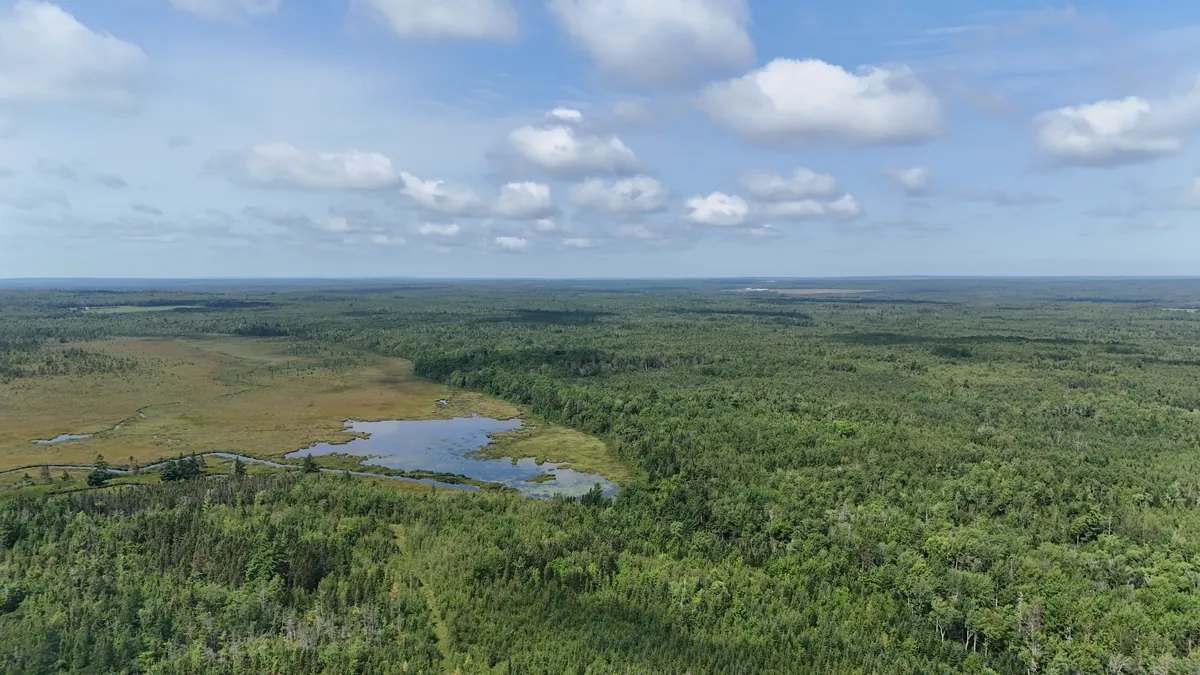
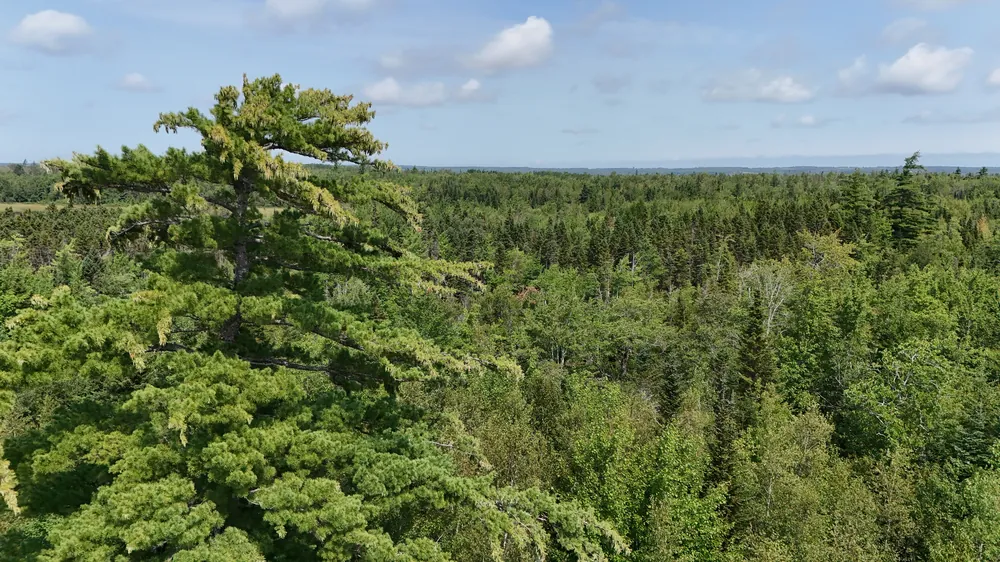
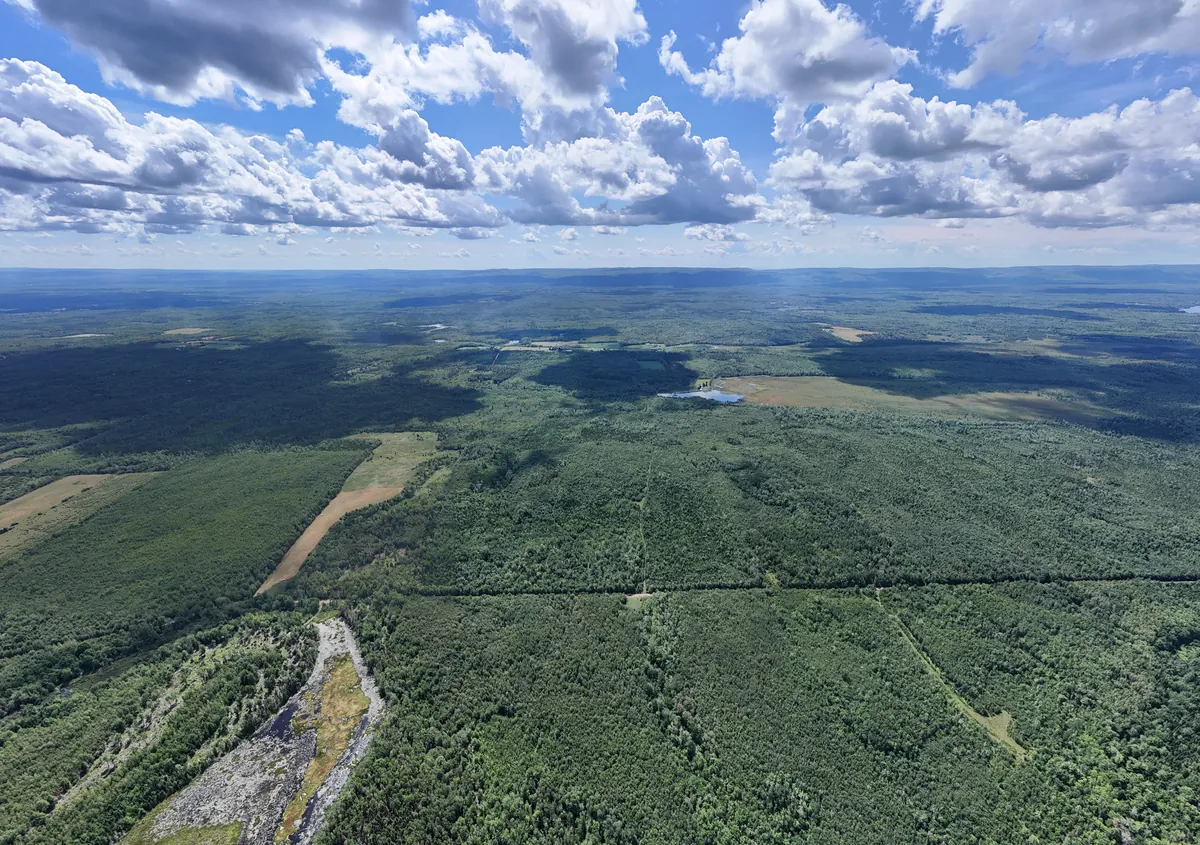
Drone photographs from August 2026. Softwood and hardwood stands, open wetland, fields at the forest edge and old trails cutting through, out to the long line of the ridge.
05 — Contact